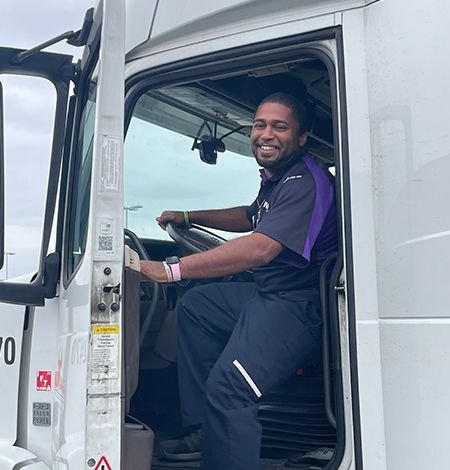
Australia continues to face a significant shortage of qualified heavy vehicle operators, and in 2026 experienced international truck drivers can earn between AUD $65,000 and over $200,000 a year through employer-sponsored roles accessed via the Skills in Demand visa (Subclass 482) and Designated Area Migration Agreements (DAMA). Beyond salary, sponsored drivers typically gain compulsory superannuation contributions, workers’ compensation insurance, and access to commercial vehicle and income protection insurance — and, for many roles, a pathway to permanent residency through Subclass 186 or Subclass 191. Driven by an ageing domestic workforce, mining expansion, and rising interstate logistics demand, transport employers and registered migration agents are actively working with international drivers to fill these shortages — but the visa pathway is more specific than many guides describe, and it’s worth understanding exactly how before you invest time, licensing fees, or migration agent costs in an application.
This guide explains truck driver jobs in Australia with visa sponsorship in 2026: realistic salaries by role and licence class, which visa pathways genuinely apply to this occupation, permanent residency routes, superannuation and insurance benefits, immigration legal and migration agent costs, licensing and training expenses, commercial vehicle insurance requirements, major transport employers, and a step-by-step application process.
Why Australia Needs Foreign Truck Drivers
Australia’s road freight sector has struggled to fill heavy vehicle positions for several years, driven by:
- An ageing domestic driver workforce approaching retirement
- Growth in freight, logistics, and e-commerce delivery volumes
- Expansion of mining and resources operations, particularly in Western Australia and Queensland
- Rising agricultural transport demand
- Regional labour shortages that are often more acute than in metropolitan areas
- Ongoing infrastructure and construction projects requiring heavy haul and construction transport
This shortage is real, but it’s important to understand upfront that truck driving sits differently in Australia’s immigration system than many professional or trades occupations — which affects which visas are genuinely realistic for this role.
An Important Note on Occupation Eligibility
Truck Driver (General) is classified under ANZSCO code 733111, at Skill Level 4 — Australia’s occupational classification system treats this as a semi-skilled occupation, requiring a Certificate II or III level qualification or equivalent experience, rather than the diploma or degree level typically required for Skill Level 1–3 occupations.
This matters because most points-tested and general skilled visas — including the Skilled Independent visa (Subclass 189) and, in most cases, the Skilled Nominated (190) and Skilled Work Regional (491) visas — require your occupation to appear on a skilled occupation list generally reserved for Skill Level 1–3 roles. Truck driving does not typically appear on these mainstream lists.
What this means practically: the realistic, well-established pathway for foreign truck drivers is not the general points-tested system. It’s the Designated Area Migration Agreement (DAMA) framework, and in some cases the Subclass 482 Skills in Demand visa’s Labour Agreement stream, both of which specifically allow semi-skilled and non-standard ANZSCO occupations — including truck driving — where a regional employer can demonstrate a genuine, documented shortage.
Always verify your specific occupation’s current status directly on the Department of Home Affairs website or with a registered migration agent before assuming eligibility for any particular visa subclass — occupation lists, DAMA regional agreements, and concessions are reviewed and updated regularly.
Highest Paying Truck Driver Jobs in Australia With Visa Sponsorship
The Australian freight and logistics sector offers several paying tiers for foreign truck drivers, depending on licence class, industry, and region. Every role below includes typical salary, sponsorship route, and the benefits employers commonly attach to it.
1. Road Train Driver
Road train drivers operate multi-trailer combinations across remote and outback routes, primarily serving mining operations and long-distance freight corridors.
- Average Salary: $140,000 – $200,000+ annually
- Required Licence: Multi Combination (MC)
- Sponsorship Route: DAMA, Subclass 482 Labour Agreement stream
- Career Growth: Senior road train operator, fleet supervisor, or transition into mining logistics coordination
- Benefits: Superannuation, remote accommodation or accommodation allowance, overtime and shift allowances, relocation assistance
2. Mining Truck Driver
Mining truck drivers operate heavy haul and site-specific vehicles within mine operations, often on rotating or fly-in/fly-out schedules.
- Average Salary: $120,000 – $180,000 annually
- Required Licence: HR/HC or site-specific accreditation
- Sponsorship Route: DAMA, Subclass 482 Labour Agreement stream
- Career Growth: Site supervisor or heavy equipment operator pathways within mining logistics
- Benefits: Superannuation, fly-in/fly-out travel and accommodation, overtime pay, workers’ compensation coverage
3. MC Long-Haul Driver
MC long-haul drivers move interstate freight across major transport corridors and are among the most consistently sponsored roles in the sector.
- Average Salary: $100,000 – $140,000 annually
- Required Licence: Multi Combination (MC)
- Sponsorship Route: DAMA, Subclass 482 Labour Agreement stream
- Career Growth: Road train transition, fleet coordination, or owner-driver pathway after gaining Australian experience
- Benefits: Superannuation, overtime and shift allowances, relocation assistance, licence conversion support
4. HC Driver (Freight, Refrigerated, Construction and Container Transport)
Heavy Combination drivers work across freight, refrigerated distribution, construction, and container transport, forming the broad backbone of Australia’s sponsored heavy vehicle workforce.
- Average Salary: $85,000 – $110,000 annually
- Required Licence: Heavy Combination (HC)
- Sponsorship Route: DAMA, Subclass 482 Labour Agreement stream
- Career Growth: Progression toward MC licensing and long-haul or specialised freight roles
- Benefits: Superannuation, workers’ compensation, paid annual and sick leave, employer-funded licence endorsements (e.g., dangerous goods)
5. Entry-Level and Local Delivery Driver
Entry-level and local delivery roles typically use Light Rigid (LR) or Medium Rigid (MR) licences and generally sit outside the realistic sponsorship pathway due to lower pay and skill classification.
- Average Salary: $65,000 – $80,000 annually
- Required Licence: LR/MR
- Sponsorship Route: Generally not sponsorship-eligible under current thresholds
- Career Growth: Common entry point for building Australian experience before progressing to HC or MC licensing
- Benefits: Varies by employer; superannuation applies to all employees regardless of role
Salary Comparison Table
| Role | Typical Licence | Typical Industry | Sponsorship Route | Annual Salary (AUD) |
|---|---|---|---|---|
| Road Train Driver | MC | Mining, remote freight | DAMA, Labour Agreement stream | $140,000 – $200,000+ |
| Mining Truck Driver | HR/HC or site-specific | Mining | DAMA, Labour Agreement stream | $120,000 – $180,000 |
| MC Long-Haul Driver | MC | Interstate freight | DAMA, Labour Agreement stream | $100,000 – $140,000 |
| HC Driver | HC | Freight, refrigerated, construction, ports | DAMA, Labour Agreement stream | $85,000 – $110,000 |
| Experienced Driver (general) | HC/HR | Mixed | DAMA, Labour Agreement stream | $80,000 – $100,000 |
| Entry-Level / Local Delivery | LR/MR | Distribution | Generally not sponsorship-eligible | $65,000 – $80,000 |
Important salary threshold note: For most employer-sponsored routes, your salary must meet or exceed the Temporary Skilled Migration Income Threshold (TSMIT), which is scheduled to rise to approximately AUD $79,423 from 1 July 2026. Entry-level truck driving salaries can sit below this threshold, meaning sponsorship is most realistic for HC, MC, mining, and road train roles, or through a DAMA arrangement, which sometimes permits a concessional (lower) salary threshold for specific occupations and regions. Confirm the exact current TSMIT and any applicable DAMA concession directly with Home Affairs or a migration agent before assuming a specific role qualifies.
Additional benefits commonly offered alongside salary across these roles:
- Overtime pay and shift allowances
- Superannuation (Australia’s compulsory retirement savings system)
- Annual leave and personal/sick leave
- Accommodation or accommodation allowances, particularly in mining and remote roles
- Relocation assistance
- Training support, including licence conversion assistance
Australian Work Visas for Truck Drivers
Understanding your visa options — and which ones genuinely apply to this occupation — before applying is essential, since truck driving’s Skill Level 4 classification rules out several routes that general guides often list as available.
Skills in Demand Visa (Subclass 482) — Most Common Route
The Skills in Demand (SID) visa replaced the former Temporary Skill Shortage (TSS) visa on 7 December 2024, though the subclass number (482) stayed the same. For truck drivers, the relevant pathway within this visa is typically the Labour Agreement stream, used alongside a DAMA or a company-specific labour agreement, since standard truck driving generally doesn’t sit on the mainstream Core Skills Occupation List used for the general Core Skills stream.
- Employer must hold Standard Business Sponsor status (or be party to a labour agreement)
- Salary must generally meet the applicable TSMIT or the relevant labour agreement’s concessional threshold
- Stay length depends on the stream and agreement, generally 2–4 years
- Can provide a pathway to permanent residency via Subclass 186, depending on the specific agreement terms
Designated Area Migration Agreement (DAMA) Visas — Best Realistic Route
DAMAs are region-specific labour agreements between the Australian Government and a designated regional authority, explicitly designed to cover semi-skilled and non-ANZSCO-standard occupations — including truck drivers — that don’t fit the mainstream skilled visa system.
- Available in multiple designated regions across states and territories, each with its own occupation list and specific concessions
- Concessions can apply to salary thresholds, age limits, and English language requirements
- Typically issued as a Subclass 482 (Labour Agreement stream) or Subclass 494 visa under the DAMA framework
- Can offer a pathway to permanent residency, with specific timeframes varying by region
This is the pathway most realistically available to a general truck driver, and it’s worth researching which designated regions currently include your specific driving occupation on their DAMA occupation list before applying anywhere else.
Skilled Employer Sponsored Regional Visa (Subclass 494)
The 494 visa allows a regional employer (anywhere outside Sydney, Melbourne, and Brisbane) to sponsor a skilled worker for up to five years, with a pathway to permanent residency via Subclass 191. It draws on the Short-Term, Medium-Term, and Regional occupation lists rather than the Core Skills list — truck driving eligibility under this route depends on whether your specific occupation appears on the relevant list for your target region, or whether it’s accessed via a regional DAMA linked to the 494.
Employer Nomination Scheme (Subclass 186)
The 186 visa is a direct permanent residency pathway, most commonly accessed by truck drivers after time spent on a 482 (Labour Agreement stream) visa under DAMA-linked arrangements, rather than as a first-entry visa for this occupation.
Points-Tested Visas (Subclass 189, 190, 491) — Generally Not Realistic
These general skilled migration visas are generally not realistic for standard truck driving occupations, since they require the nominated occupation to sit on lists built primarily around Skill Level 1–3 roles. Some state or territory nomination programs occasionally include specific driving-related occupations under a state critical skills list — check current state nomination lists directly if you want to explore this, but don’t assume eligibility.
Working Holiday Visa
Some young applicants from eligible countries can work in Australia temporarily on a Working Holiday visa before pursuing longer-term sponsorship, though this is not itself a sponsorship pathway and comes with its own separate eligibility rules, age limits, and work restrictions.
Visa Comparison Table
| Visa | Best For | Leads to PR? | Realistic for Truck Drivers? |
|---|---|---|---|
| Subclass 482 (Labour Agreement stream) | DAMA-linked sponsored roles | Yes, via 186 | Yes — primary route |
| DAMA (482 or 494 framework) | Regional semi-skilled occupations | Yes, region-dependent | Yes — most realistic route |
| Subclass 494 | Regional employer sponsorship | Yes, via 191 | Only if on relevant regional list |
| Subclass 186 | Direct PR after sponsored work | Yes, directly | Typically a second step, not first-entry |
| Subclass 189/190/491 | Points-tested general skilled migration | Yes, directly | Generally not realistic |
| Working Holiday | Young eligible-country applicants | No | Not a sponsorship pathway |
Permanent Residency (PR) Pathways for Truck Drivers
The realistic PR journey for most sponsored truck drivers looks like this:
- Entry via DAMA-linked Subclass 482 (Labour Agreement stream) or Subclass 494 in a designated region
- Time working for the sponsoring employer, meeting the conditions of the specific labour agreement or regional visa
- Transition to permanent residency via Subclass 186 (Employer Nomination Scheme) or Subclass 191 (Permanent Residence – Skilled Regional), depending on which visa and agreement applied
Timeframes and exact requirements vary significantly by DAMA region and by the specific labour agreement your employer holds — this is one of the areas where working with a registered migration agent genuinely earns its cost, since generic guidance can’t substitute for the specific terms of your region’s agreement.
A note on other countries’ programs: Some general immigration content circulating online references programs like Express Entry or the Rural Community Immigration Pilot in connection with Australian truck driving jobs — these are Canadian immigration programs and have no application to Australia. Australia’s system is entirely separate, built around ANZSCO occupation codes, the Skills in Demand visa, DAMA agreements, and the points-tested and state/territory nomination systems described above.
Eligibility Requirements
Applicants generally need:
- A valid passport
- To meet the relevant visa’s minimum age requirement
- Good English proficiency (specific test and score requirements vary by visa subclass and any applicable DAMA concession)
- Relevant truck driving experience
- An Australian-recognised heavy vehicle licence, or eligibility for licence conversion
- A clear medical examination
- A police clearance certificate
- A genuine job offer from a sponsoring or labour-agreement-linked employer
Required Documents and Application Checklist
| Document | Status |
|---|---|
| Valid passport and passport photographs | ☐ |
| Current driver’s licence and heavy vehicle licence | ☐ |
| Employment reference letters | ☐ |
| Resume/CV (Australian-style) | ☐ |
| Educational and training certificates | ☐ |
| Medical examination report | ☐ |
| Police clearance certificate(s) | ☐ |
| English language test results (if required) | ☐ |
| Signed employment contract | ☐ |
| Completed visa application forms | ☐ |
Commercial Truck Insurance and Fleet Safety Requirements
Whether you’re a sponsored employee driver or considering owner-driver work later, understanding commercial vehicle insurance is worth knowing before you start:
- Third-party liability coverage — a legal minimum for operating a heavy vehicle in Australia, covering damage or injury caused to others
- Comprehensive truck insurance — covers damage to the vehicle itself, typically the responsibility of the employer for company vehicles, or the driver/owner for owner-operated trucks
- Cargo and freight insurance — protects the value of goods being transported, generally arranged by the employer or freight company for employee drivers
- Fleet insurance — a single policy covering an employer’s full vehicle fleet, relevant context if you’re evaluating an employer’s operational stability
- Employer vs. owner-driver responsibility — as an employee driver, your employer is generally responsible for vehicle insurance and compliance; this shifts significantly if you later move into owner-driver arrangements
- Heavy vehicle safety compliance — includes chain-of-responsibility laws, fatigue management requirements, and load restraint standards that both employer and driver share responsibility for
Truck Driver Benefits, Superannuation and Insurance in Australia
Beyond base salary, sponsored truck driver roles commonly include (though this varies by employer and should be confirmed in writing):
- Superannuation — compulsory employer contributions toward your retirement savings, currently a set minimum percentage of ordinary earnings under Australian law, worth confirming the current rate directly with your employer or the ATO
- Workers’ compensation — mandatory employer-funded insurance covering work-related injury or illness
- Paid annual leave and personal/sick leave — statutory minimums apply, with some employers offering more
- Overtime and shift allowances — common in interstate, mining, and remote transport roles
- Accommodation and meal allowances — particularly relevant for remote or fly-in/fly-out style mining and road train positions
- Income protection insurance — sometimes offered as an optional benefit, protecting your income if illness or injury prevents you from working
- Life insurance — occasionally bundled with superannuation as a default benefit; check whether your specific fund includes this
Don’t assume every employer offers the same package — ask for the specific benefits in writing as part of any job offer.
Truck Driver Training and Licence Costs in Australia
- Licence conversion — international drivers typically need to convert an overseas heavy vehicle licence to an Australian equivalent, with requirements varying by state and by your country of origin
- MC and HC licence training — Australian residents typically progress through licence classes (from Light Rigid up to Multi Combination); overseas applicants with equivalent experience may qualify for a more direct conversion pathway, subject to state transport authority assessment
- Training duration and cost — varies significantly by state, provider, and your existing licence class; obtain current quotes directly from state-registered training organisations rather than relying on a fixed estimate
- Employer-funded training — some sponsoring employers cover licence conversion or endorsement costs (such as dangerous goods endorsements) as part of a relocation package
- Regional training opportunities — some designated regional areas offer additional training support tied to local DAMA agreements
Truck Financing and Owner-Driver Opportunities
Some drivers eventually consider owner-driver arrangements after gaining Australian experience, though this is a longer-term consideration rather than an entry point for newly arrived sponsored workers.
- Buying vs. leasing a truck — each carries different upfront costs, tax treatment, and risk profile
- Commercial truck loans and heavy-vehicle finance — available through banks and specialist commercial lenders, with terms depending on your credit history and time in Australia
- Owner-driver operating costs — include fuel, maintenance, insurance, registration, and compliance costs, all of which should be modelled carefully before transitioning from employee to owner-driver status
- Freight contracts — owner-drivers typically need established relationships with freight brokers or direct contracts with transport companies to maintain consistent income
This is a genuinely different business model from employee driving, and it’s worth researching thoroughly — including the insurance and financing considerations above — before making the switch.
Major Australian Employers Sponsoring Truck Drivers
Several major freight and logistics operators have historically been active in sponsoring heavy vehicle drivers, though sponsorship activity depends on current business needs, DAMA regional agreements, and government approval, all of which change.
- Linfox: One of Australia’s largest privately owned logistics companies, operating across freight, warehousing, and distribution nationally.
- Toll Group: A major national freight operator with a long history in interstate and regional transport.
- Qube Holdings: A large integrated logistics provider with a strong presence in ports and bulk freight.
- Centurion: A Western Australia-based transport company with significant mining and resources sector freight operations.
- Regional and specialist carriers: Numerous smaller regional operators across agriculture, refrigerated freight, and construction transport also sponsor drivers, particularly where DAMA regional agreements apply.
Always verify a specific company’s current sponsorship activity and contact details directly through their official careers page rather than relying on any third-party listing, including this one.
Top Australian Recruitment Agencies for Truck Drivers
Several established Australian recruitment agencies are active in the logistics and freight sector and can help connect international drivers with sponsoring employers.
- WorkPac: A major national workforce solutions provider with a strong presence in transport, logistics, and mining-adjacent roles.
- Hays Recruitment Australia: A large recruitment agency with dedicated logistics and supply chain divisions.
- Programmed Skilled Workforce: An established staffing provider covering transport and industrial roles nationally.
- Randstad Australia: A global recruitment firm with an active Australian logistics and transport practice.
- Chandler Macleod: A recruitment agency with experience placing skilled and semi-skilled workers, including transport roles, across Australia.
Register with multiple agencies simultaneously, and confirm which visa pathway (DAMA-linked or otherwise) any specific opportunity is actually filed under before accepting a placement.
Best Websites to Find Visa Sponsorship Jobs
- SEEK Australia
- Indeed Australia
- Workforce Australia (Australian Government Jobs Portal)
- Jora Australia
- LinkedIn Jobs
- Recruitment agency career pages (WorkPac, Hays, Programmed, Randstad, Chandler Macleod, and similar)
Useful search terms include: truck driver visa sponsorship Australia, DAMA truck driver, MC driver sponsorship, HC driver jobs Australia, and regional truck driver visa.
Common Immigration Mistakes to Avoid
- Assuming your occupation qualifies for a points-tested visa (189/190/491) without checking current occupation lists
- Submitting incomplete applications or inaccurate employment history
- Using unlicensed or unregistered immigration agents
- Applying under the wrong visa subclass for your actual circumstances
- Missing medical examination deadlines
- Failing to translate required documents
- Not meeting current English language requirements for your specific visa
- Failing to disclose previous visa refusals
- Accepting a sponsorship offer without verifying the employer’s active sponsor status
- Paying any recruitment or sponsorship fee directly to a recruiter without independent verification — legitimate employer sponsorship costs are generally borne by the employer, not the worker
Frequently Asked Questions
Can foreigners get truck driver jobs in Australia with visa sponsorship?
Yes, but realistically mainly through Designated Area Migration Agreements (DAMA) or the Labour Agreement stream of the Skills in Demand (482) visa, rather than through general points-tested skilled visas, since standard truck driving is classified as a semi-skilled (Skill Level 4) occupation.
How much do truck drivers earn in Australia?
Salaries typically range from around AUD $65,000 for entry-level roles to over AUD $200,000 for experienced road train and mining drivers, depending on licence class, experience, region, and industry.
Which visa is best for sponsored truck drivers?
For most truck drivers, a DAMA-linked Subclass 482 (Labour Agreement stream) or Subclass 494 visa in a designated regional area is the most realistic route. Standard points-tested visas are generally not accessible for this occupation.
Can truck drivers obtain permanent residence?
Yes, typically after a period working under a DAMA-linked visa, through pathways such as Subclass 186 or Subclass 191, depending on the specific regional agreement.
Is IELTS required?
Some pathways require English test evidence, though DAMA arrangements sometimes offer English requirement concessions. The exact requirement depends on your specific visa route and region.
Do Australian employers pay for the visa?
Sponsorship-related employer obligations (such as the sponsor licence and nomination costs) are generally the employer’s responsibility. Some employers also cover relocation and licence conversion costs, though this varies — get specifics in writing.
Which licence is most valuable?
Multi Combination (MC) drivers are generally the most sought-after and highest-paid in Australia’s heavy transport industry, particularly for interstate and road train work.
Can I bring my family?
Many employer-sponsored visas allow eligible applicants to include a spouse or partner and dependent children, though specific eligibility depends on the visa subclass and, where applicable, the terms of the relevant labour agreement.
Are regional jobs easier to obtain?
Yes, generally. Regional employers often face greater labour shortages and are more likely to have access to DAMA agreements or regional visa pathways than metropolitan employers, who have fewer sponsorship options available for this occupation.
How long does the process take?
Processing times vary significantly depending on the visa subclass, the specific labour agreement or DAMA involved, application completeness, and current Department of Home Affairs workloads. Always check current estimated processing times directly on the Department’s website.
Final Thoughts
Truck driver jobs in Australia with visa sponsorship remain a genuine opportunity in 2026, but the realistic pathway is narrower and more specific than general “sponsored jobs” content often suggests. Because standard truck driving sits at Skill Level 4 in Australia’s occupational classification system, Designated Area Migration Agreements and the Labour Agreement stream of the Skills in Demand visa — not the mainstream points-tested system — are where most genuine opportunities exist.
Before committing time or money to this pathway, verify your specific occupation’s current eligibility against the relevant DAMA region’s occupation list, confirm the current salary threshold applicable to your situation, and consider working with a registered migration agent who can assess the specific labour agreement terms relevant to your target employer and region.
Disclaimer
This article is intended for general informational and educational purposes only and should not be considered legal, immigration, or migration advice. Australian immigration policies, visa subclasses, sponsorship rules, occupation lists, DAMA regional agreements, eligibility criteria, fees, and processing times change regularly. Always verify the latest requirements through the official Australian Government immigration website (immi.homeaffairs.gov.au) and consult a registered Australian migration agent or qualified immigration lawyer before making decisions or submitting an application. Visa sponsorship is never guaranteed, and employment opportunities depend on employer demand, qualifications, experience, licensing, and compliance with Australian immigration laws.